Mountaineering Clothing, The Secret to Comfort and Safety in Extreme Terrain

Discover the secret to choosing comfortable and safe mountain climbing clothing in extreme terrain, starting from the 3-layer system, base layer.
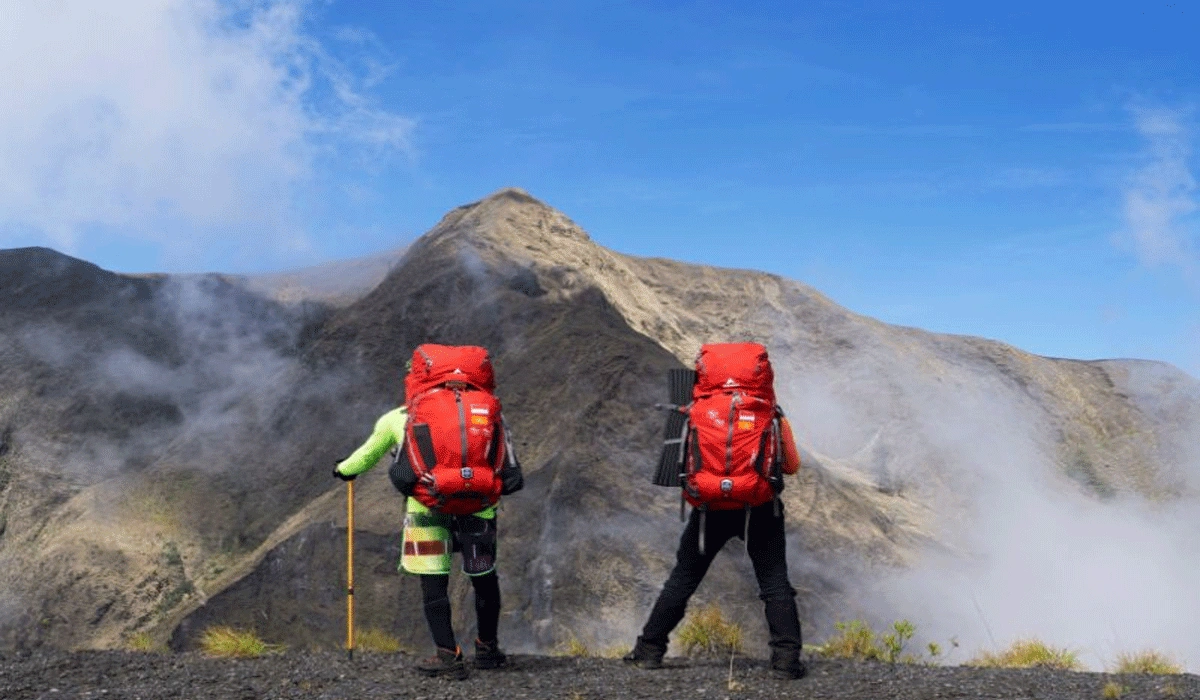
This guide helps both novice and experienced climbers stay warm, dry, and chafe-free, while protecting them from rain, wind, and extreme temperatures. Learn practical tips to make every step on the mountain safer, more comfortable, and more enjoyable.
Below we will discuss information about travel and going to the mountains only available at Travel Clothes.
Mountain Climbing Clothing
Mountain climbing is not just a physical activity, but also a challenge facing extreme weather, terrain, and environmental conditions. One important aspect that is often overlooked is the clothing you wear during the climb.
Choosing climbing clothing cannot be done carelessly. Many beginner climbers think that wearing everyday clothes or regular sportswear is sufficient. However, conditions on the mountain can often change drastically in a short time, such as sudden rain, strong winds, or drastic drops in temperature.
Furthermore, appropriate climbing clothing also allows climbers to move more freely. Clothing that is too thick or inelastic can restrict movement and cause climbers to tire quickly. Likewise, clothing that is too thin or too loose can increase the risk of injury or health problems.
The Secret to Comfort, A 3-Layer System
One of the main principles of hiking clothing is the layering system. This system consists of three main layers: a base layer, a mid layer, and an outer layer. The base layer absorbs sweat and keeps the skin dry. Common materials used are polyester or merino wool, which regulate body temperature.
The second layer, or mid layer, acts as insulation. This layer keeps the body warm, especially when temperatures drop drastically. Fleece or thin synthetic jackets are popular choices because they are lightweight yet retain heat.
The third layer is the outer layer, which is usually a windproof and waterproof jacket. Its primary function is to protect climbers from rain, snow, or strong winds. A good outer layer should be breathable to allow sweat to escape, preventing the body from feeling damp and cold.
Also Read: Travel in Style, Mastering Luxury & Premium Fashion Anywhere
Climbing Protection and Accessories
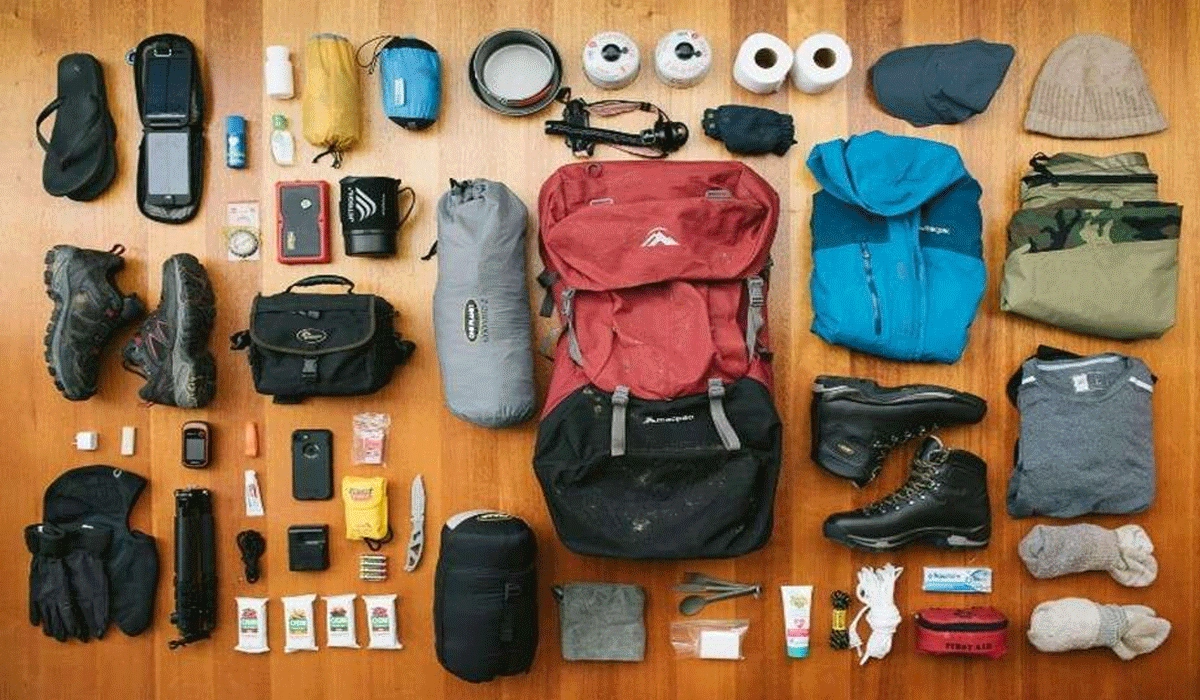
In addition to the main layers, climbers also need additional clothing for extra protection. Gloves, hats, and buffs are essential to protect the hands, head, and neck from extreme temperatures. Warm, flexible gloves help climbers maintain a firm grip on tools or poles.
Climbing socks are also essential. Thick or wool socks can prevent blisters, keep feet warm, and absorb sweat. Combined with the right hiking boots, these socks help reduce the risk of foot injuries such as blisters or sprains when navigating rocky or slippery terrain.
Equally important are hiking pants and trousers. Lightweight, flexible, and quick-drying trousers are more comfortable when navigating rugged terrain or in the rain. Some hiking pants also feature additional ventilation to ensure air circulation, preventing climbers from overheating on long climbs.
Tips for Choosing Mountain Climbing Clothing
Choosing mountain climbing clothing should start with understanding the terrain and weather conditions. Mountains at higher altitudes typically have lower temperatures and stronger winds, so warm layers and materials are a priority.
Also, pay attention to the fit and comfort of your clothing. Clothing that is too tight can restrict movement, while clothing that is too loose can catch branches or rocks.
Finally, don’t forget additional features like pockets, ventilation, and built-in accessories. A jacket with ample pockets makes it easy to store maps, a compass, or snacks. Ventilation in the armpit or thigh areas helps with air circulation. All these small details make the hiking experience more practical.
Listen and keep following information about mountain travel clothes only at Travel Clothes.
Image Source:
- First Image from www.eigeradventure.com
- Second Image from rri.co.id